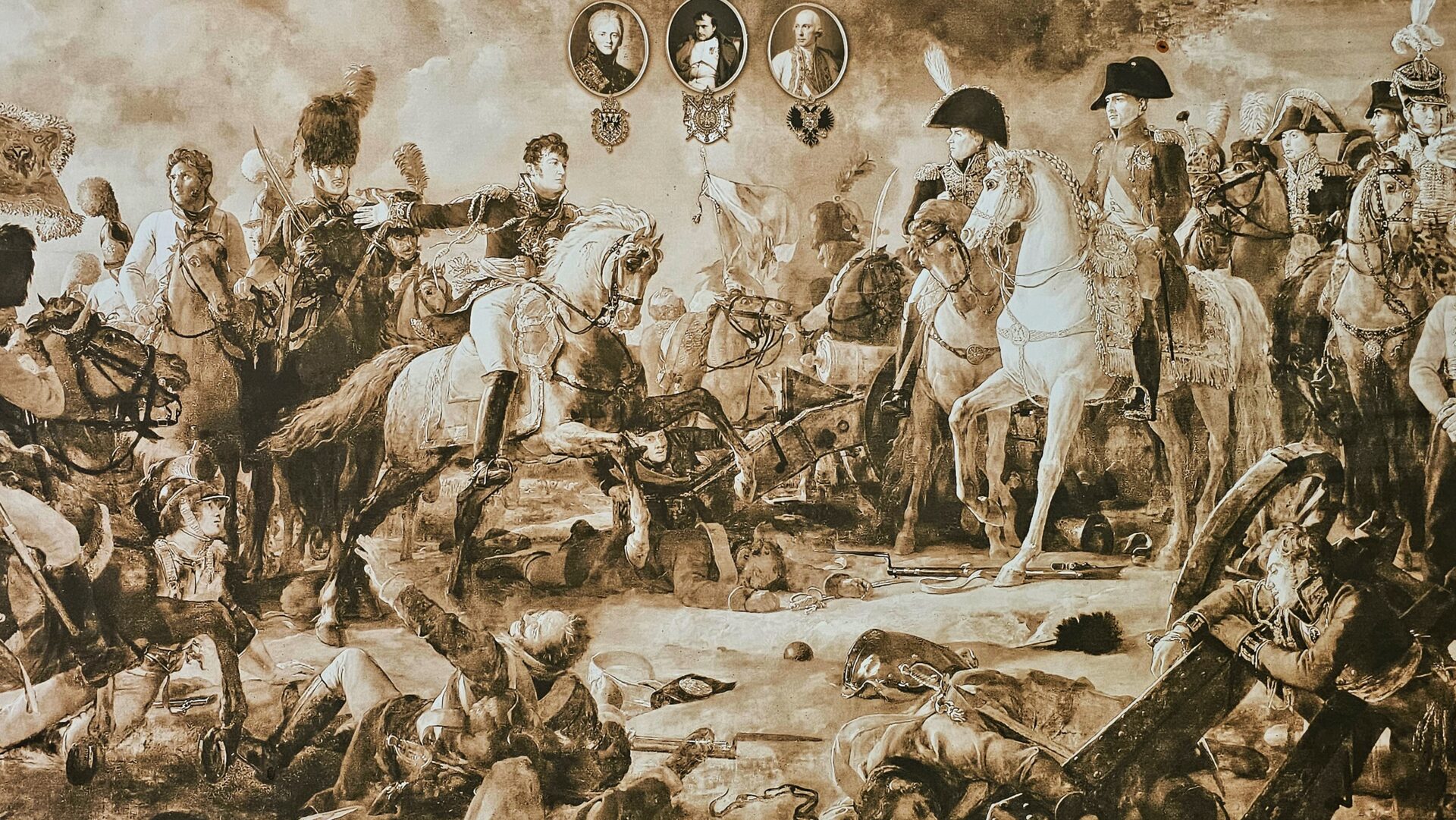

In the previous episode of this miniseries, the focus was on the political situation before the Battle of Austerlitz—how and why Napoleon and his army came to Moravia and Brno, and where he stayed while planning the battle; today turns to the battlefield itself for a concise recap of how the fighting unfolded.
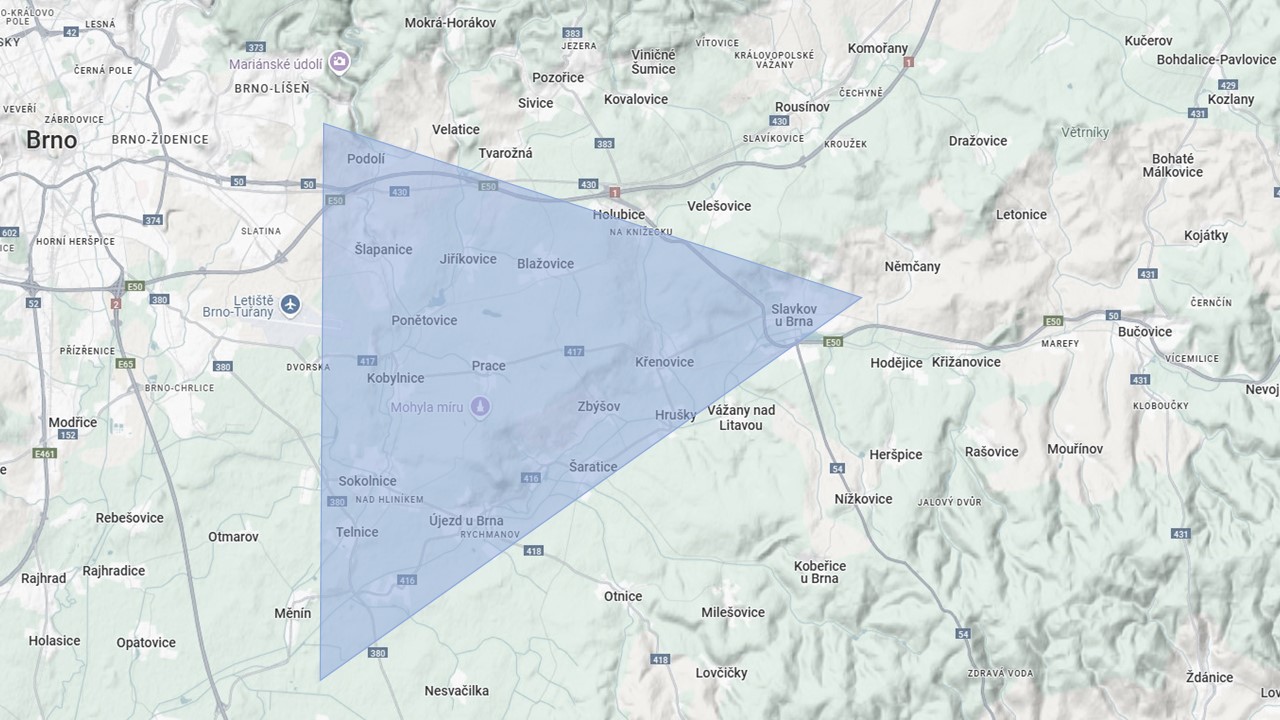
Austerlitz battlefield
The Austerlitz battlefield lies to the east of Brno. It covers roughly 120 km² and includes 25 municipalities and towns. Its notional boundaries are Pozořice to the north, Slavkov u Brna to the east, Žatčany to the south, and Šlapanice to the west. The terrain is varied. You will find hills and rises (the Pratzen Heights with the Old Vineyards, Pracký kopec, Žuráň, and Santon). Near Ponětovice, at the confluence of the Říčka stream and Zlatý potok, the ground in 1805 was heavily waterlogged and full of marshes. Near Žatčany, the Litava River fed two ponds that no longer exist today — Žatčanský and Měnínský.
The Situation Before the Battle of Austerlitz
The Allied Army
On November 17, 1805, the commander-in-chief of the Russian–Austrian forces, General Kutuzov, arrived in Šlapanice. There he learned that the advance units of General Buxhöwden’s Volhynian Army had already reached Rousínov. Kutuzov ordered his Podolian Army to continue its march toward Vyškov.
At that time, while the French army occupied Brno and began moving southward, the Allied headquarters remained stationed in Šlapanice until November 19, 1805. Russian troops were also encamped in Bedřichovice and the nearby village of Prace. These positions were abandoned the following day. Among the departing officers was Field Marshal Prince Liechtenstein, commander of the Russo-Austrian cavalry, who had been temporarily quartered in Šlapanice.
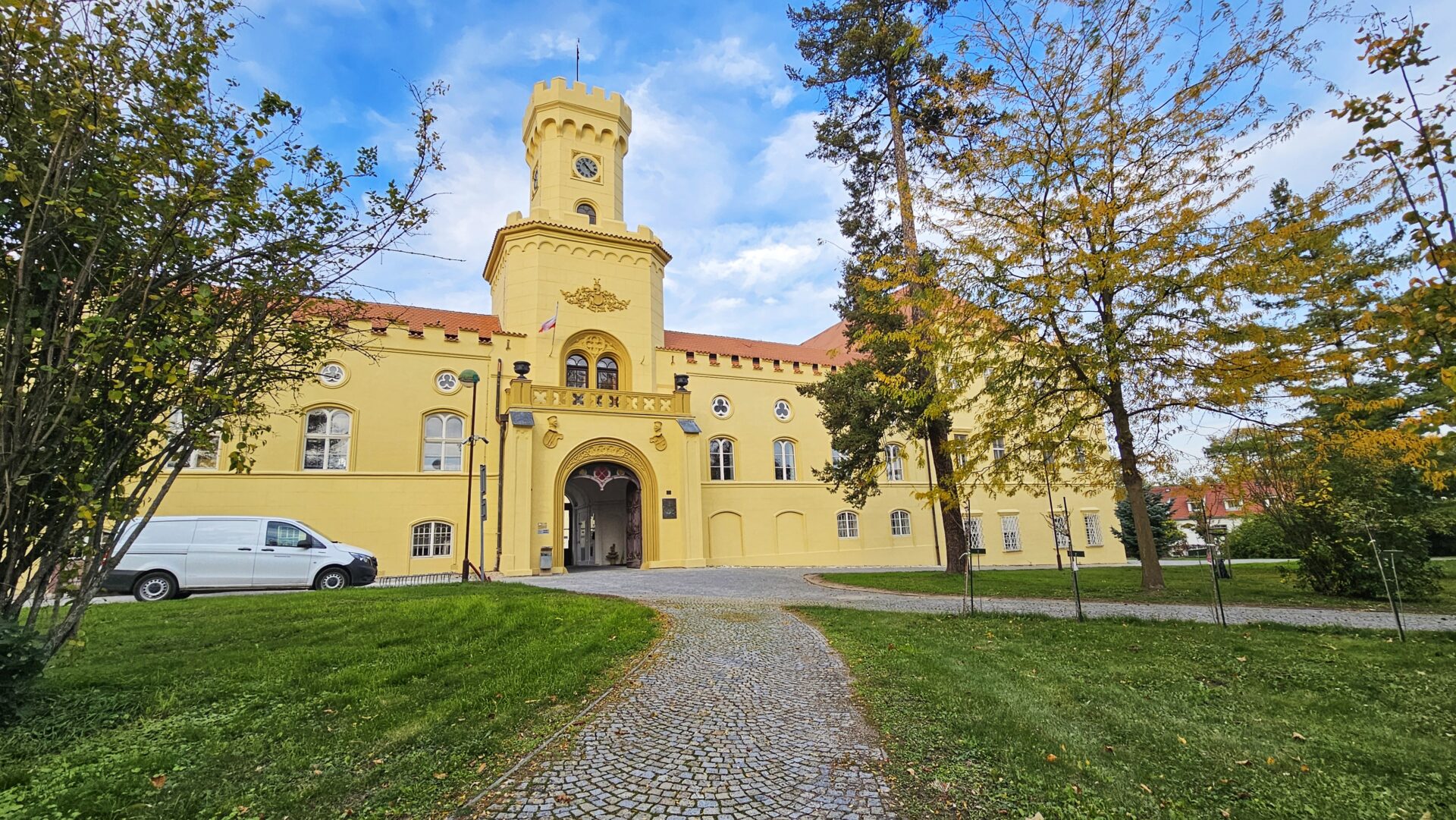
By November 20, advance troops of Field Marshal Kienmayer reached Austerlitz (Slavkov), followed by more Austrian and Russian units. On December 1, Austrian Emperor Francis I and Russian Tsar Alexander I arrived and took residence in the Austerlitz (Slavkov) Castle, owned by the Kaunitz family.
Days earlier, both rulers had spent the night of November 29 at the smaller Bohdalice Château, owned by the Manner noble family. Wolfgang Manner, brother of the estate owner, was responsible for provisioning Allied troops during their stay in Moravia and Silesia.
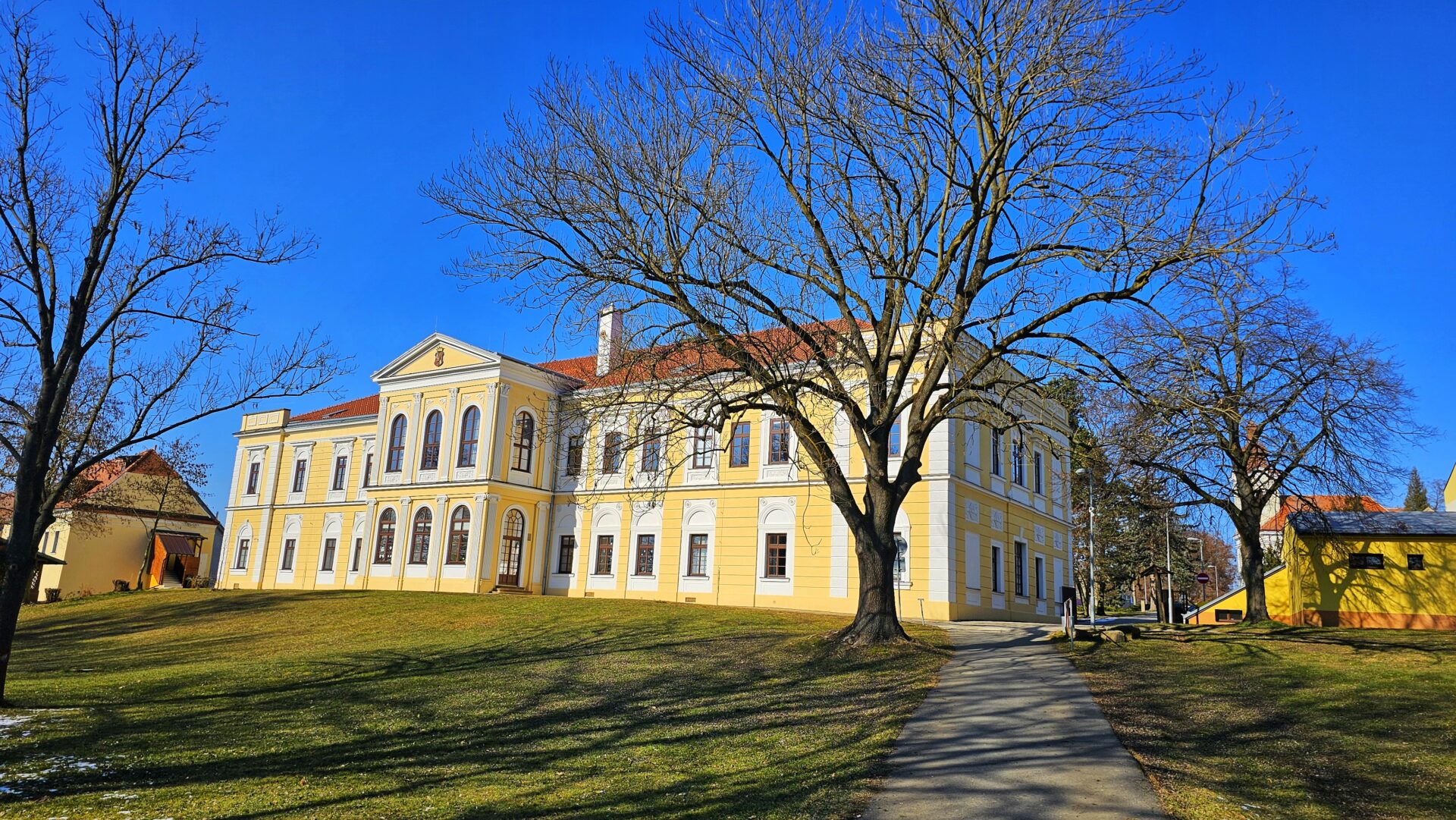
The French Army
Shortly after the Russian army evacuated Podolí, French troops arrived. On November 20, soldiers of the 17th Light Infantry Regiment with three cannons entered the village. Between November 27–29, the local manor became the headquarters of the French cavalry reserve commanded by Marshal Murat. On November 29, Murat’s 2nd Division of Heavy Cavalry, led by General d’Hautpoul, moved into the area.
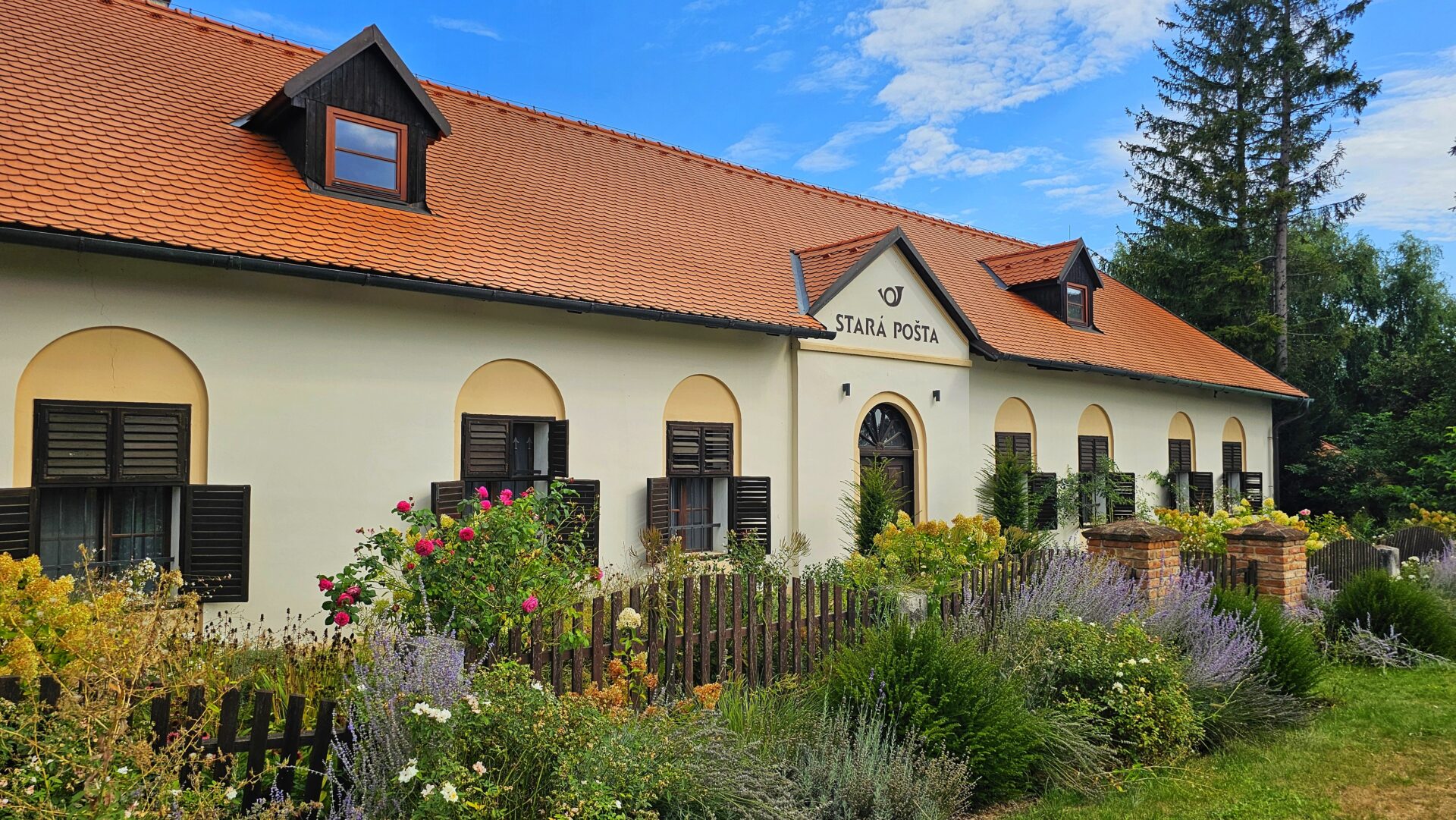
That same evening, Napoleon Bonaparte arrived at the Old Post near Kovalovice to meet with his marshals Murat, Soult, Lannes, and other commanders. The following day, near this very place, Napoleon received the envoy of Tsar Alexander I — Prince Peter Dolgorukov. The Russian general left convinced that the French were fearful of the Allies’ numerical superiority before the coming Battle of Austerlitz. On December 1, after the post station had been abandoned by the French, General Bagration of the Allied vanguard occupied it.
Meanwhile, General Nansouty’s 1st Heavy Cavalry Division reached Šlapanice on November 29, soon joined by Marshal Soult’s IV Army Corps Staff. Napoleon himself shifted his main headquarters to the Kandie Inn near Podolí, and later — on December 1 — into a gravel pit near Šlapanice, where he dined at the nearby Pindulka Inn and spent the night under a simple shelter.
The weather in the days before the Battle of Austerlitz was cold and unstable — temperatures ranged between 1–2.5°C, dipping below freezing at night. Clouds, rain, snow, and mist alternated until the evening of December 1, when skies cleared over Central Europe. A dense morning fog formed overnight in the lowlands — and above it rose the legendary “Sun of Austerlitz.”
The Battle of Austerlitz
Telnice and Sokolnice
The first shots of the Battle of Austerlitz were fired late at night when Austrian Field Marshal Kienmayer’s vanguard approached Telnice, defended by 100–150 French tirailleurs. Fierce fighting for the village ensued, with General Dochturov’s column joining around 7 a.m. The French were briefly forced to retreat but soon regrouped near Zlatý potok. Reinforced by a brigade detached by Marshal Davout, they repeatedly attacked and counterattacked. By 10 a.m., Telnice and Sokolnice remained in Allied hands, while the French fell back toward Otmarov.
The Lion’s Leap – Attack on the Pratzen Heights
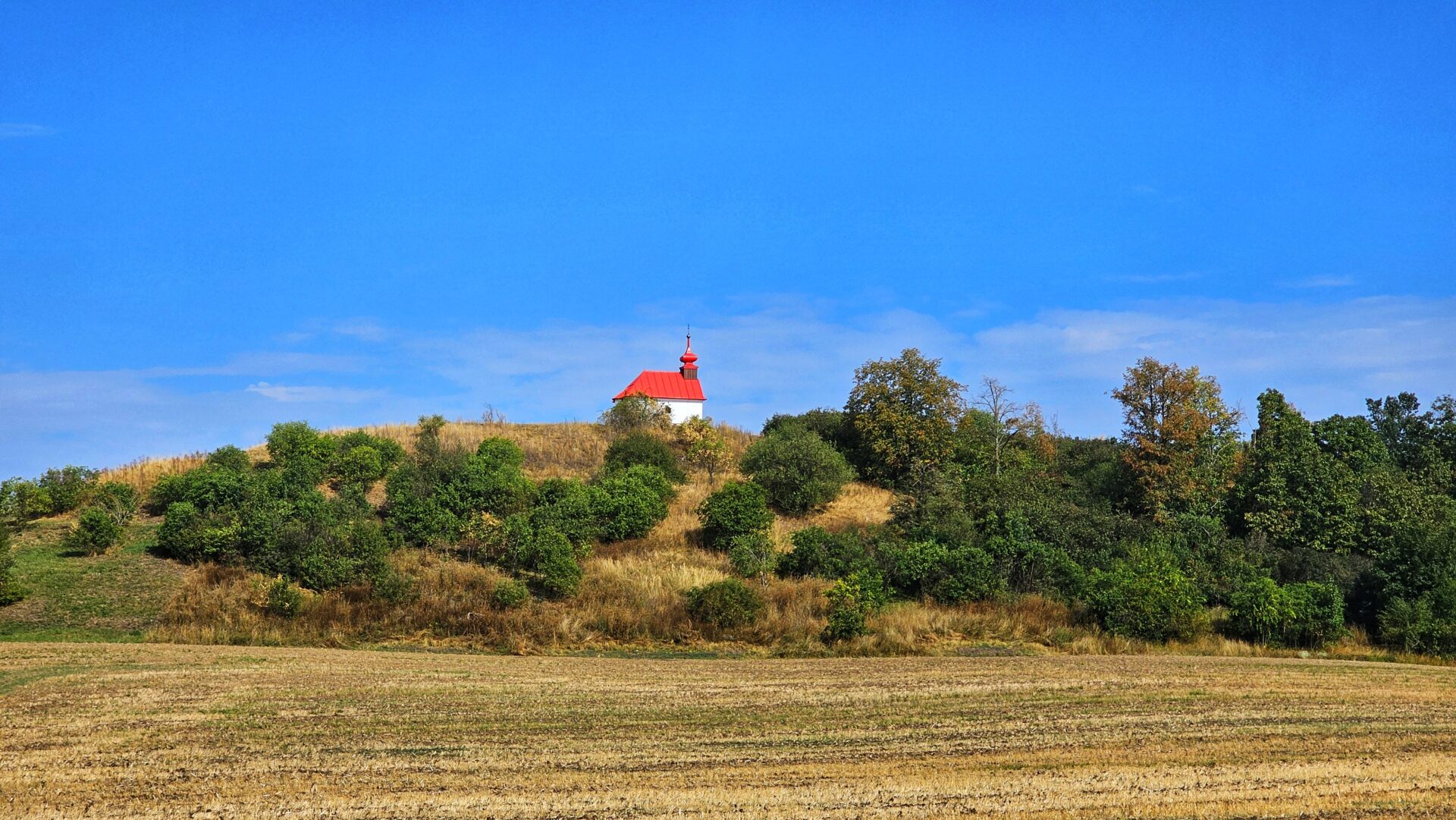
At the moment when most of the Russo-Austrian army had been drawn into the fighting between Telnice and Sokolnice, Napoleon ordered the intended maneuver on the left wing to strike the Allies in the flank and rear. Assault formations of Saint-Hilaire and Vandamme from Soult’s corps advanced rapidly against the Pratzen hill. Beyond the slope break of the Old Vineyards, the 4th mixed column of General Miloradovich and Field Deputy Marshal Kolowrat still remained, and it collided with the units of Lannes and Murat. About two hours of desperate fighting followed, bringing heavy losses to both sides. Around eleven o’clock, the French controlled both the Old Vineyards and the Pratzen hill. Shortly after eleven, Napoleon left Žuráň and, together with the Guard and part of the reserve, moved to the Old Vineyards.
Santon, fighting along the Olomouc road
Napoleon Bonaparte decided that Santon Hill would be the extreme support point of the left wing of the French position. The hill was defended by General Claparède’s 17th Light Infantry Regiment, which thoroughly fortified it with three lines of entrenchments and secured it with 18 heavy guns. To the right of Claparède’s troops stood, at the start of the battle, two infantry divisions of Marshal Lannes’s 5th Corps and Marshal Murat’s cavalry corps.
From the Pozořice Old Post, General Bagration’s Russian units advanced. They crossed the Pozořice stream and soon engaged under the hill with part of Lannes’s corps and the French cavalry. The Russians attempted to outflank Santon from the right. The French opened a massive fire, answered by Bagration’s artillery. The French General Roger-Valhubert was wounded by a fragment from a cannonball. The Russians temporarily occupied Tvarožná but had to retreat. After two in the afternoon, Bagration began a final withdrawal toward Rousínov.
Clash of the Imperial Guards near Holubice
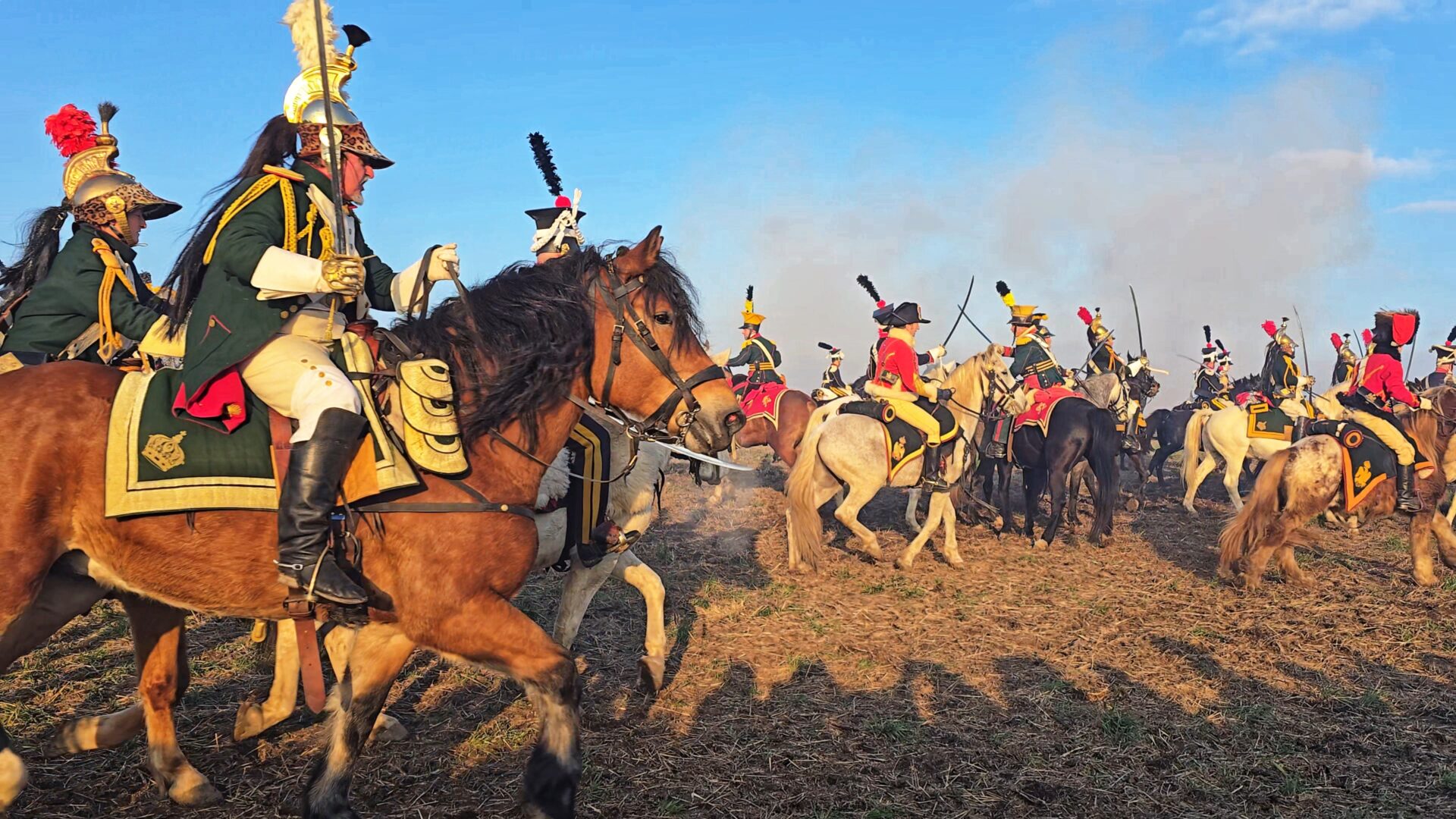
Near Holubice, there were heavy cavalry battles. The French V Corps, supported by Murat’s cavalry, advanced and pressed the Allies toward Rousínov. The Russian Imperial Guard tried to reverse the situation by entering the fight. The Imperial Guard, composed of the elite of Russian society and commanded by the Emperor Alexander’s younger brother, Grand Duke Constantine Pavlovich, had originally been intended as a reserve for the advancing Allied columns. Instead, it found itself in the front line, where it was attacked near Blažovice by Lannes’s units.
Shortly before noon, two French regiments fought in vain against the Russian Guard cavalry. Napoleon sent part of his personal squadron — mounted grenadiers and chasseurs with the famed Mamelukes — to join the fight. Only after repeated attacks was the Russian Guard forced to withdraw. Hundreds of dead and wounded remained on the battlefield. Although the clash of elite units did not decisively influence the course of the battle, it entered history. The encounter was notable both for pitting elite troops of both armies against each other and for showing how effectively the French army coordinated and employed its various arms.
The Final Blow at Zlatý Potok
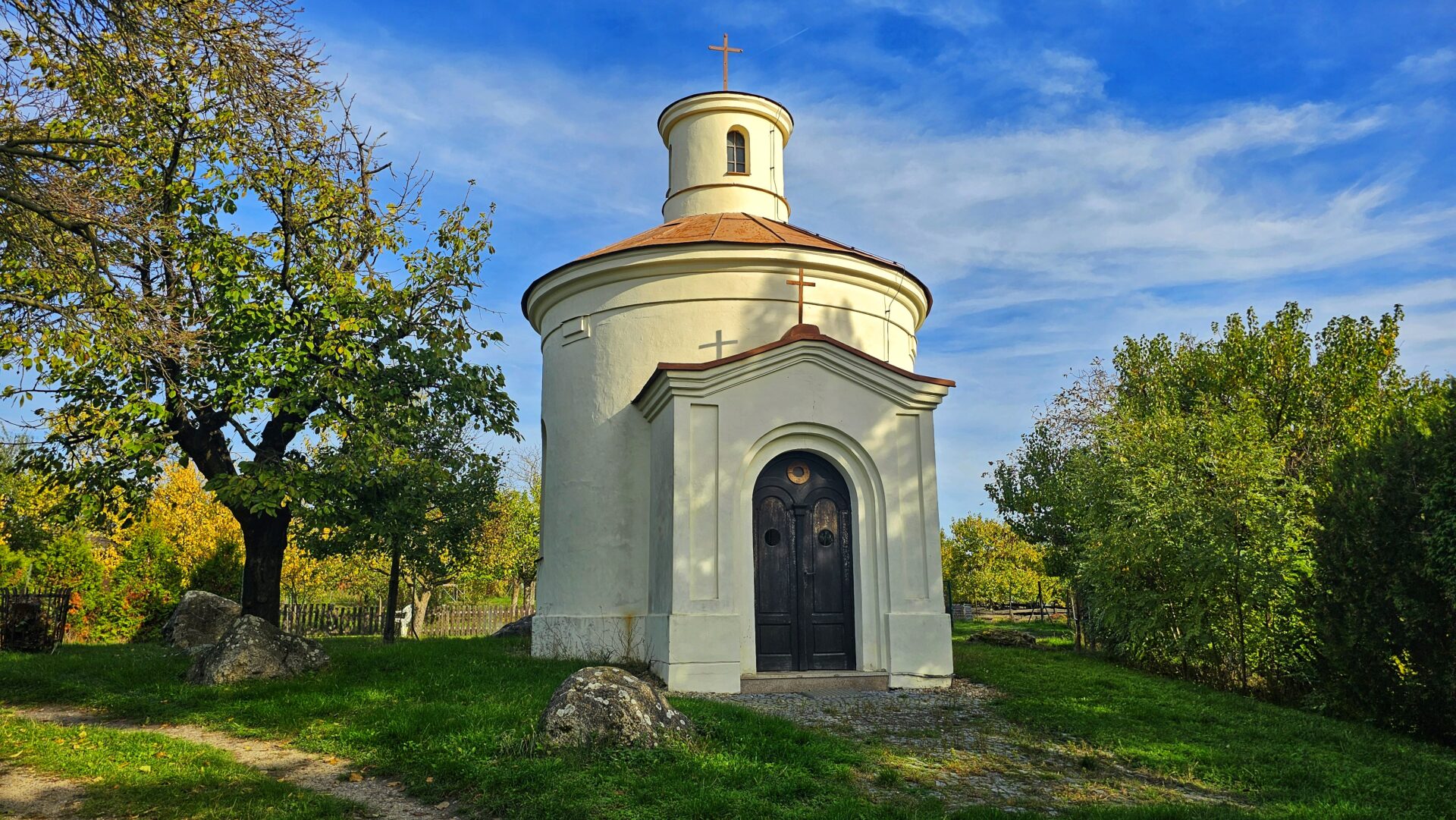
After midday, when the French had seized the Pratzen Heights, fighting in the central section of the battlefield was virtually over. Around one o’clock in the afternoon Napoleon Bonaparte met with Marshal Soult’s staff near the Chapel of St. Anthony of Padua, standing on a hill above Újezd u Brna. From this vantage point, Napoleon watched the afternoon retreat of the Allied army. He could see far to the south. In the valley below were three Russian columns, attacked from two directions by French regiments pressing in relentlessly. From the north, down the slopes of the Old Hill (Stará hora), poured masses of French soldiers — the divisions of Saint-Hilaire and Vandamme, Boyé’s Dragoon Division, and six battalions of Oudinot’s grenadiers. To the south, near Telnice and Sokolnice, stood the divisions of Davout and Friant, pushing forward to complete the encirclement.
The escape route for the Allies was now extremely limited. The only option seemed to lead southward, but there lay two large ponds — the Měnínský and Žatčanský ponds. The mass of retreating soldiers decided to cross by the narrow embankment between them. During the withdrawal, however, a munitions wagon exploded, blocking the passage and making the route nearly impassable.
Large numbers of troops then tried to flee across the frozen surface of the ponds, but the ice, weakened by the previous thaw, could not bear the weight. Only a small part of the Russian–Austrian army managed to reach safety by crossing or skirting the ponds; those who were not killed were taken prisoner. About 8,000 men, led by General Dochturov, managed to escape. Covered by the approaching twilight, around four o’clock in the afternoon, they moved toward safety in the direction of Bošovice.
Next episodes in the series:
-
Battle of Austerlitz 1805 – A Walk Through the Battlefield I.
-
Battle of Austerlitz 1805 – A Walk Through the Battlefield III.
-
Battle of Austerlitz 1805 – A Walk Through the Battlefield IV.
Our YouTube video offers a fascinating look at one of the most significant battles of the Napoleonic Wars — the Battle of Austerlitz (the Battle of the Three Emperors). It traces the events before and during the battle, its key moments, and its impact on European history. Viewers will discover the places tied to it — such as Austerlitz Castle, Pratzen Heights, and Brno — as well as the major figures: Napoleon Bonaparte, Tsar Alexander I, Emperor Francis I, and General Kutuzov.